
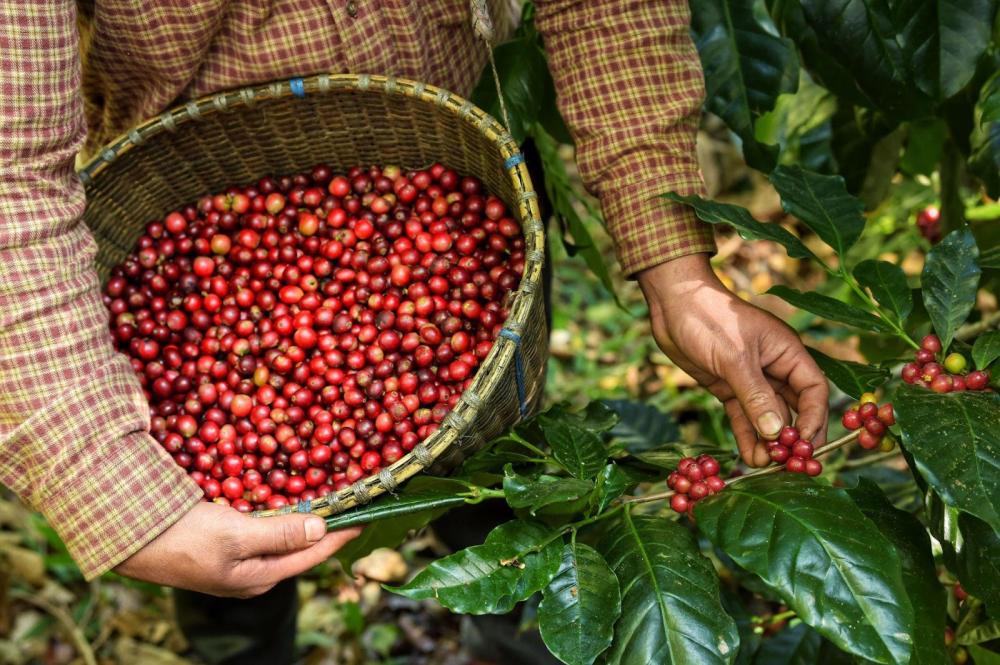
In the world of specialty coffee, where everyone is looking for the perfect flavor and unique experience, a common question arises: How do you differentiate between high- and low-altitude coffee ? Whether you're a café owner or simply a coffee lover, understanding this difference can change the way you enjoy your daily cup. In this article on the Luxury Coffee blog, we'll provide a detailed guide covering environmental factors, flavors, quality, and how to distinguish between the two. As always, we emphasize Luxury Coffee's role as a trusted source of specialty coffee from highlands and lowlands, offering a wide range of different qualities, as well as coffee equipment , tools , and accessories to ensure perfect brewing.
Why does the difference between highland and lowland coffee matter?
Coffee is an environmentally sensitive plant, and cultivation altitude is one of the most significant factors shaping its character. High- grown coffee is typically grown above 1,200 meters above sea level, while low-grown coffee is grown even lower, often below 600 meters. This difference isn't just a number; it affects taste, aroma, and nutritional value. According to the Specialty Coffee Association (SCA), high-altitude coffee can be up to 20–30% higher in quality than low-altitude coffee, making it a preferred choice for premium coffee shops.
Understanding this difference helps you choose the right coffee for your needs, whether you're looking for complex flavors or economical production. At Luxury Coffee , we offer crops of both types, focusing on sustainability and quality to meet the needs of coffee lovers.
Environmental factors that make a difference
Let's dive into the details: Elevation affects climate, soil, and growth, leading to significant differences.
- Altitude and climate :
- Highlands : cooler temperatures (15-24°C), regular rainfall, and less intense sunlight. This slows the growth of the grain, allowing more complex flavors to develop.
- Depressions : Higher temperatures (24-30°C), high humidity, and heavy rainfall. Growth is faster, but this reduces density and quality.
- Soil and nutrients :
- Highlands : Mineral-rich volcanic soil, such as in Ethiopia or Costa Rica, contributes to balanced acidity and fruity flavors.
- Lowlands : More fertile but less diverse soil, as in Vietnam or lowland Brazil, which produces larger beans but less flavor.
- Production and Sustainability :
- Highlands : Lower yield (about 1-2 kg per tree per year), but higher quality and higher prices. Highlands are more vulnerable to climate change, so farmers focus on sustainable agriculture.
- Depressions : High yielding (over 3 kg per tree), ideal for commercial production, but more susceptible to pests and diseases.
Why choose Luxury Coffee for your upland and lowland coffee crops?
As a certified supplier of specialty coffees , Luxury Coffee stands out with its extensive range, including coffees from the highlands of Central America to the lowlands of Asia, with a variety of qualities to suit every taste. We don't limit ourselves to beans; we also offer coffee equipment such as precision grinders, manual coffee tools , and coffee accessories for perfect brewing that highlights the difference between the two types.
- Quality Variety : Over 40 varieties, with organic and sustainable options.
- Comprehensive support : tasting and discrimination training, as well as consultations to choose the right blend.
- Commitment to Sustainability : Partnerships with environmentally friendly farmers at both elevations.
Visit our website to explore the catalog and order samples to experience the difference!
Top Frequently Asked Questions About the Difference Between Highland and Lowland Coffee
Here are answers to the most frequently asked questions:
1. What altitude defines highland coffee?
Above 1200 meters, the climate slows growth and enhances complex flavors.
2. Is low-quality coffee always of lower quality?
Not always, but often less complex. Suitable for everyday blends, while highs are for specialty coffee.
3. How do I identify it in the store?
Look for labels that say "SHG" (Strictly High Grown) for high, or "EP" (Exportable Prime) for low. Taste to confirm.
4. Does agriculture affect health?
Highland coffee is rich in antioxidants due to slow growth, making it healthier.
5. What type of cafe is best?
Depends on the client: high for luxury offerings, low for large quantities. At Luxury Coffee , we offer both types with personalized tips.
6. Do you provide samples to experience the difference?
Yes! At Luxury Coffee , we offer free samples to new customers to compare flavors.
Discover the difference and elevate your experience with the luxury of coffee.
Understanding the difference between highland and lowland coffee opens new doors to the world of coffee. Whether you prefer complexity or strength, choosing the right type enhances enjoyment and success. With Luxury Coffee — the trusted supplier of specialty coffee crops , equipment , tools , and supplies —you can easily access the best options. Start your journey today and share your thoughts in the comments! Don't forget to share the article to help others discover the secrets of coffee.